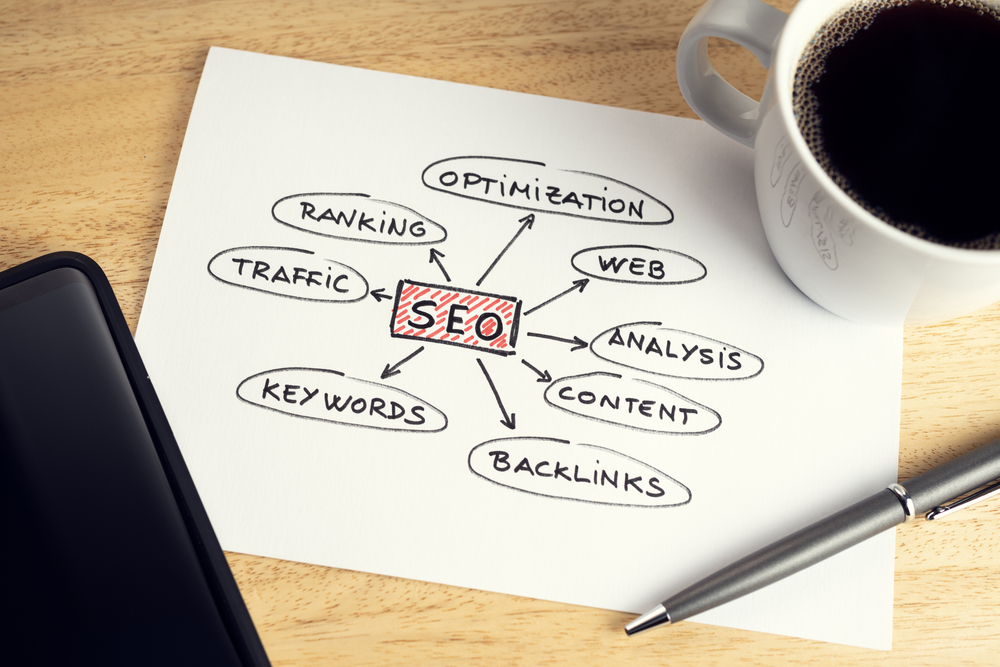
In the ever-evolving world of digital marketing, Search Engine Optimization (SEO) and link building play a crucial role in driving organic traffic to your website. As search engines continue to refine their algorithms, it is essential for businesses and website owners to keep up with the latest SEO (search engine optimization) strategies to ensure their online presence remains strong.
What is SEO (or SEM) ?
SEO is the process of optimizing your website and its content to rank higher on search engine results pages (SERPs). By strategically incorporating relevant keywords, improving website structure, and building quality backlinks, you can increase your website's visibility and attract a larger audience.
Why is SEM/SEO important?
With the majority of online experiences beginning on search engines, ranking high on SERPs is critical for website success. Studies show that the top spot on Google's search results receives 33% of traffic, while the second spot receives around 18%. By mastering SEO/SEM , you can drive a substantial amount of organic traffic to your website, resulting in increased visibility, brand recognition, and potential conversions.
Link Building: The Backbone of SEO
Link building is an integral part of any successful SEO strategy. It involves acquiring backlinks, which are links from other websites that point to your own. Search engines see these backlinks as "votes of confidence" from other websites, indicating that your content is valuable and worth referring to.
1. Quality over Quantity
One crucial aspect of link building is focusing on quality over quantity. While it may be tempting to acquire as many backlinks as possible, search engines prioritize backlinks from reputable and authoritative websites. A single high-quality backlink from a well-established and relevant website can hold more weight than multiple low-quality backlinks.
2. Relevant and Contextual Links
Building links from relevant and contextual websites is vital for effective link building. Search engines consider the relevance and context of the linking webpage to determine the value of the backlink. Aim to gain backlinks from websites that are industry-related or have content related to your website's niche. This will help search engines understand the context of your website and improve its chances of ranking higher in relevant searches.
3. Diverse Anchor Text
Anchor text is the clickable text within a hyperlink. Using varied anchor text when building backlinks is crucial to avoid any red flags from search engines. Over-optimization or repetitive use of anchor text can lead to penalties. Aim for a mix of branded anchor text (such as your website or company name), generic anchor text (such as "click here" or "learn more"), and keyword-rich anchor text (using relevant keywords to your content).
4. Guest Blogging
Guest blogging is a proven strategy for building backlinks and enhancing your brand's authority. By writing informative and valuable content for other relevant websites, you can gain exposure to new audiences and attract high-quality links. When guest blogging, focus on providing exceptional content rather than solely using it as an opportunity for self-promotion.
5. Monitor and Disavow Bad Links
Regularly monitoring your backlinks is crucial to identify any harmful or low-quality links that may potentially harm your website's reputation. Search engines can penalize websites with an excessive number of spammy or irrelevant backlinks. Utilize tools such as Google Search Console to regularly check your backlink profile and disavow any harmful links that could negatively affect your website's SEO.
Frequently Asked Questions
1. What is the difference between on-page SEO and off-page SEO?
On-page SEO refers to optimizing elements on your website itself, such as content, meta tags, images, and internal linking. Off-page SEO, on the other hand, involves external factors like backlinks, social media mentions, and online directories that impact your website's ranking.
2. How long does it take to see results from SEO efforts?
SEO is a long-term strategy, and it can take several months to see significant results. The timeframe depends on various factors, including the competitiveness of your industry, the quality of your content, and the strength of your SEO efforts.
3. Should I focus on obtaining more backlinks or improving content?
Both aspects are crucial for SEO success. While backlinks are important for building authority, high-quality content is equally necessary for attracting and engaging your target audience. It's a balancing act, and prioritizing one over the other can hinder your overall SEO strategy.
4. Are there any shortcuts or quick fixes for SEO?
No, there are no shortcuts or quick fixes for sustainable SEO success. Search engines continuously update their algorithms to prioritize high-quality and user-friendly websites. Building a strong SEO foundation requires a consistent and long-term commitment to providing valuable content and following best practices.
5. Can I do SEO myself, or should I hire professionals?
You can certainly educate yourself and implement basic SEO practices. However, SEO is a complex and ever-changing field that requires expertise and staying up-to-date with the latest trends. Hiring professionals who specialize in SEO can provide you with advanced strategies, save time, and ensure optimal results.
In conclusion, mastering SEO and link building is essential for any website or business aiming to succeed in the digital landscape. By focusing on quality backlinks, relevant content, and staying updated with the latest SEO practices, you can improve your website's visibility, attract organic traffic, and ultimately achieve your online goals. Remember, SEO is a continuous endeavor that requires dedication and adaptability to stay ahead of the ever-evolving search engine algorithms.
Other useful resources
- https://www.seoguru24.com/listing-category/seo-tools/
- https://en.wikipedia.org/wiki/Seo